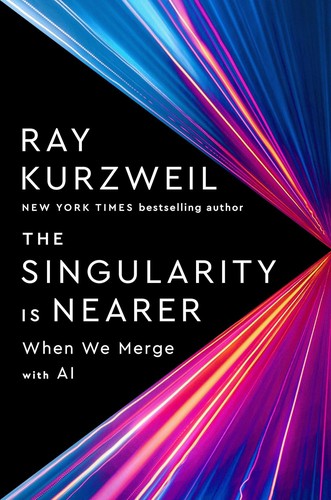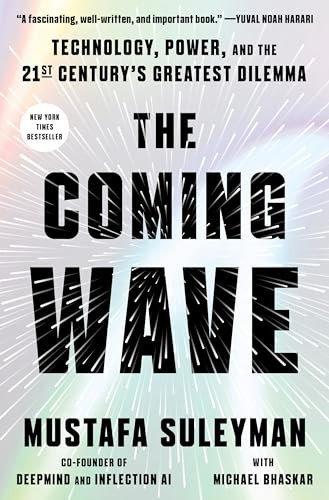
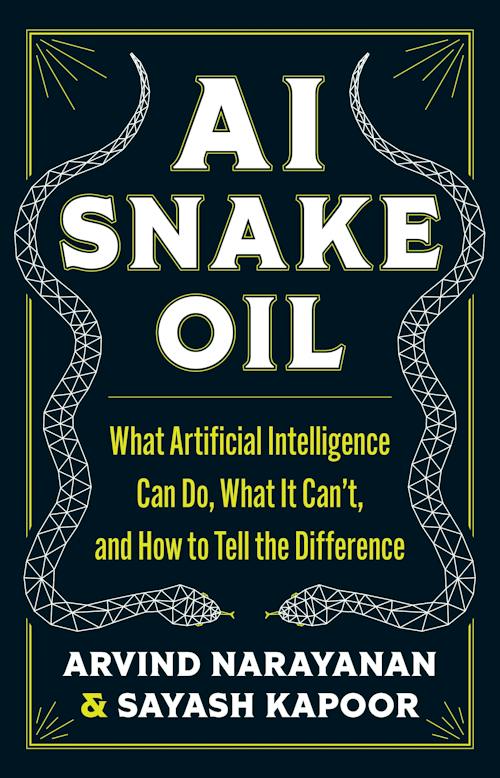
Editorial introduction
The weather analogy is useful, and then it stops. Some systems are chaotic, some targets are badly defined, some data has almost no stable signal, and people change when you intervene. More data does not fix that. Eight billion humans is an intuition, not a sample-size law.
Generative AI is not the snake oil. It has real abilities, and a lot of claims still get wrapped around it. GPT means Generative Pre-trained Transformer. Toxic training data, bias, copyright and compensation are related, and they are not the same problem.
Automation does not equal fewer jobs. Cheaper work can raise demand and change the task, the way ATMs expanded banking work. That is the piece I want in front of me when I think about AI strategy.
Key ideas
Capability is not prediction
A model can be impressive at one task and still fail at forecasting people: crime, hiring, divorce. Progress in language models does not make predictive AI for human behavior suddenly reliable.
Ask for the evidence
For every strong claim: against which baseline, on which data, out of sample, and how large is the error. Ninety-two percent is not an answer until those are named.
More data is not automatically more intelligence
Quality, problem structure, model, compute and evaluation all count. Good data cannot rescue a badly posed question.
Models are simplifications
Social systems can be much harder to predict than a benchmark suggests. A forecast of people is not a weather report with a bigger dataset.
Separate the progress from the story
Transformers and generative AI are real breakthroughs. That does not mean every company that writes AI-powered has a working product.
Who this book is for
- Anyone coming off optimistic AI books who needs a harder standard of evidence
- People who will hear accuracy numbers in product pitches
- Readers who want the split between real model progress and the story sold around it
Kravion verdict
The reflex is the point
If a vendor says their system finds future high performers with 92 percent accuracy, the first thought is no longer that AI keeps getting better. It is: 92 percent of what? Which ground truth, which base rate, which split, which population, and does it hold outside the training data?
Turn it into action